Egyptian Flag Bluework: A Thoughtful Embroidery Choice
First Impressions: Charm, Clarity, and Cultural Warmth
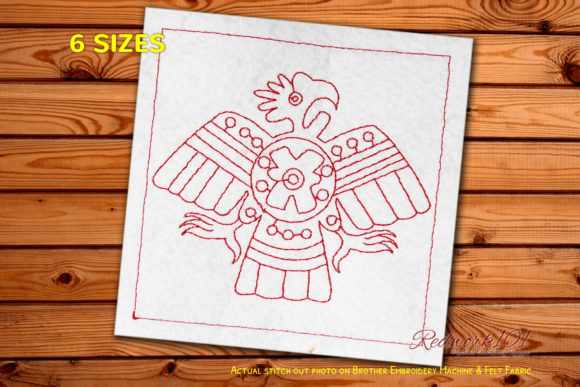
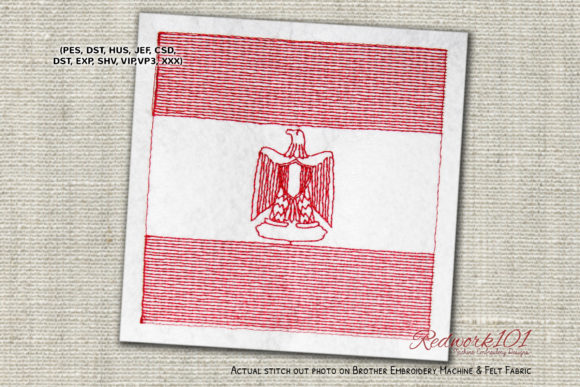
Opening the Egyptian Flag Bluework file felt like unrolling a quiet invitation—not flashy, but deeply intentional. As an embroidery designer who’s tested hundreds of digital embroidery files for personalized gift shops, I immediately noticed its clean line work, balanced proportions, and respectful minimalism. This isn’t a busy motif—it breathes. The bluework technique gives it a soft, hand-drawn elegance, while the flag’s iconic elements (the eagle, crescent, stars, and tricolor bands) are rendered with confident simplicity. It feels classic, not dated; meaningful, not literal. Customers drawn to heritage, travel memories, or cultural pride will respond instinctively—especially those seeking something more personal than a stock graphic.
Where Egyptian Flag Bluework Shines in Personalized Gifting
This design excels where emotional resonance meets practical execution. On a soft cotton baby blanket, it reads as gentle and grounding—ideal for a newborn whose family celebrates Egyptian roots. Stitched onto a linen kitchen towel, it adds quiet sophistication without overwhelming the utility of the item. As a wedding gift, it transforms a simple pillow cover into a keepsake—think navy velvet with ivory thread, displayed beside framed photos from a Cairo honeymoon. For nursery decor, it pairs beautifully with neutral palettes and natural wood accents. And on a canvas tote bag or apron, it signals intentionality: this isn’t mass-produced. It’s chosen, stitched, and given with care.
Etsy sellers and small shop owners will appreciate how Egyptian Flag Bluework supports storytelling in listings. A single embroidered detail—like this—can anchor a product description around identity, memory, or belonging. It also photographs exceptionally well: crisp lines hold up under natural light, and the bluework aesthetic lends itself to warm, editorial-style mockups that boost buyer engagement.
Thoughtful Placement: Where to Use It—and Where to Pause
Like any strong design, Egyptian Flag Bluework rewards thoughtful application. It performs beautifully on stable, medium-weight fabrics: quilting cotton, linen blends, twill, and midweight canvas. But proceed with care on:
- Stretchy baby clothes—the design’s structure relies on fabric stability; use only with proper cutaway stabilizer and test on scrap first;
- Thick, textured towels—dense terry can swallow fine details; consider simplifying or opting for a bolder version if stitch definition blurs;
- Curved surfaces (like mugs or rounded pillow forms)—hoop placement matters greatly; always do a physical mockup before committing;
- Dark or heavily patterned fabric—bluework relies on contrast; test thread colors against your base fabric, especially if using lighter threads on navy or charcoal;
- Small lettering or delicate stars—while the design avoids micro-detail, always check how the smallest elements render after stitching, particularly at smaller hoop sizes.
Building Trust Through Craftsmanship
Customers don’t just buy embroidery—they buy confidence in your skill and sincerity. Egyptian Flag Bluework supports that trust because it looks handmade, even when machine-stitched. Its balanced stitch density avoids that “overloaded” look common in low-res files, and the optional box stitch (as noted in the product description) offers flexibility: include it for framing emphasis on a wall hanging, skip it for subtlety on a baby onesie. That choice alone signals attention to context—a subtle cue to buyers that you understand their vision.
For wedding gift designers or baby product creators, this level of nuance elevates perceived value. A customer paying premium pricing for custom embroidery expects heirloom quality—not just accuracy, but artistry. Egyptian Flag Bluework delivers that quietly, letting the meaning of the symbol speak without shouting.
Practical Notes Every Embroiderer Should Run Before Stitching
Before adding Egyptian Flag Bluework to your next batch of personalized gifts, run these checks:
- Test on scrap fabric—match your final substrate exactly, including wash-and-dry cycles if the finished product will be laundered frequently;
- Confirm thread color contrast—especially if stitching on dark fabric; ivory or ecru may vanish where white pops;
- Review hoop size compatibility—if your machine uses smaller hoops, verify the design fits without scaling down critical details;
- Assess stitch density—not too sparse (looks unfinished), not too dense (causes puckering on lightweight fabric); Egyptian Flag Bluework strikes a good middle ground, but always verify;
- Use appropriate stabilizer—cutaway for knits and stretchy items, tear-away for stable wovens, and fusible for lightweight linens;
- Compare light/dark fabric mockups—a printable mockup helps visualize how thread choices affect mood and legibility;
- Inspect small details post-stitch—check star points, eagle wing edges, and band separations under good light;
- Confirm commercial licensing—since Egyptian Flag Bluework is intended for handmade products and small shop use, ensure your license permits resale of finished embroidered items.
Final Thoughts for the Gift-Maker in You
Egyptian Flag Bluework isn’t just another embroidery file—it’s a quiet bridge between craft and connection. Whether you’re designing for a new parent honoring ancestry, a couple commemorating a destination wedding, or a boutique curating Africa-themed home goods, this design carries weight without heaviness. It invites customization (thread palette, placement, fabric pairing) while holding its integrity. And in a market crowded with generic motifs, that authenticity is gold.
For Etsy sellers, craft fair vendors, and small business owners building a brand around meaning and making—Egyptian Flag Bluework is worth the test stitch. It doesn’t shout. It resonates. And in personalized gifting? That’s everything.