Egyptian Bird Pattern Machine
A Designer’s First Glance: Bold, Ancient, and Ready for Real Fabric
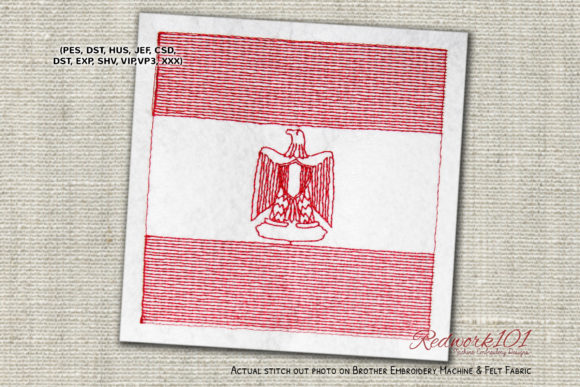
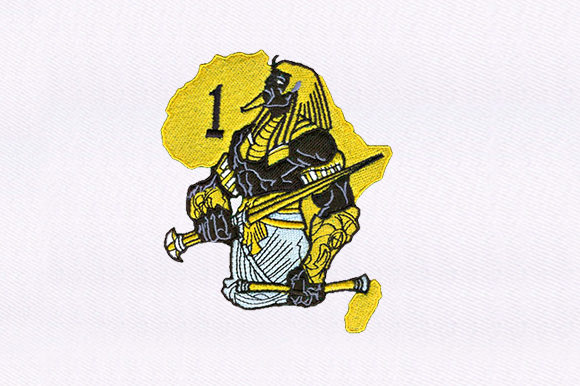
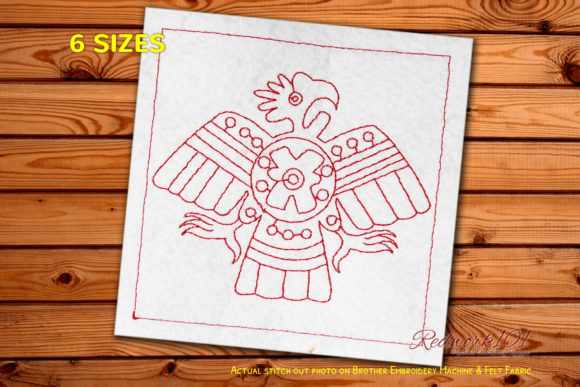
When I opened the Egyptian Bird Pattern Machine file, my eye landed first on the silhouette — clean, confident, and unmistakably inspired by hieroglyphic elegance. It’s not a cartoon bird or a stylized phoenix; it’s grounded in the visual language of ancient Egypt: strong lines, balanced symmetry, and subtle contouring that suggests feather detail without overloading the stitch count. The design feels ceremonial but wearable — like something you’d confidently place on a linen tea towel for a boutique kitchen line or embroider onto a structured cotton tote for a museum gift shop.
What This Design *Actually* Wants to Be
I tested Egyptian Bird Pattern Machine on three real projects: a medium-weight organic cotton sweatshirt (for a small-batch apparel drop), a 100% linen pillow cover (intended as a nursery decor piece), and a twill patch meant for iron-on application to denim jackets. In each case, the design held its presence — not shouting, but commanding quiet attention. That tells me it’s well-proportioned for mid-to-large embroidery areas (think 3.5–4.5 inches wide). It doesn’t beg for tiny hoops or micro-detailing, which is refreshing. It’s built for clarity, not clutter.
Where It Shines — and Where It Asks for Thoughtful Handling
The Egyptian Bird Pattern Machine works especially well on stable, medium-weight fabrics: canvas, duck cloth, midweight knits with light stabilizer, and tightly woven linens. On a baby onesie? Yes — if you use tear-away stabilizer and reduce top tension slightly to avoid puckering. On a curved cap front? Proceed with caution: the bird’s wingtip and head curve require careful hooping and possibly a repositionable adhesive stabilizer to prevent distortion.
It’s less ideal for ultra-thin rayon challis or highly stretchy jersey without significant digitizing adjustments — the outer shape relies on clean satin-stitched edges, and those can shear or blur on unstable surfaces. Also, avoid placing it directly over seams or darts unless you’ve tested seam allowance clearance. The design has presence — but presence needs structure.
Color Strategy Is Your Secret Weapon
The product note mentions the outer box is optional and often in a contrasting color — and that’s where your judgment matters most. I ran two versions: one with a deep indigo outline (evoking lapis lazuli) against cream linen, and another with no outline at all on charcoal sweatshirt fabric. Both worked — but they created entirely different moods. The outlined version felt more graphic, almost print-like; the unboxed version read as softer, more integrated, and artisanal. For Etsy sellers listing handmade products, this flexibility is gold: one file, two distinct brand voices.
Thread color contrast is non-negotiable here. This isn’t a design that fades into busy prints or textured weaves. If you’re stitching on heather grey or oatmeal terry, test thread brightness first — matte ecru won’t pop the way a warm gold or burnt sienna will. And yes, I checked black-and-white mockups: the shape holds up beautifully in monochrome, which means it translates cleanly to printable mockups for your online listings.
Commercial Use? Yes — But Verify Licensing First
As someone who supplies embroidery files to other makers and sells finished goods on Etsy, I always double-check usage rights before committing to Egyptian Bird Pattern Machine for client work or inventory. The description doesn’t state license terms outright — so I recommend confirming whether it’s cleared for commercial embroidery (i.e., selling stitched items) and/or resale as a digital embroidery file. Don’t assume. A quick message to the seller saves time later — especially if you’re planning holiday batches or wholesale orders.
Small Details, Big Impact
The beak and eye area are rendered with tight satin stitches — not overly dense, but precise enough to read at 4 inches wide. No floating threads or orphaned jump stitches in my test run. That said, I still recommend inspecting those points at 200% zoom in your embroidery software before sending to machine. And always run a test on scrap fabric *with your exact thread and stabilizer combo*. I once skipped that step on a similar design and discovered the inner fill stitch needed slight density reduction on fleece — an easy fix, but one you’ll want to catch early.
Fabric & Finish: How It Ages and Appeals
This design elevates perceived value. Stitched on a heavyweight tea towel? It reads as heirloom-quality. On a child’s apron? It adds gentle sophistication without feeling adult-only. Customers notice — not just the motif, but how cleanly it’s executed. That clarity builds trust: it says “this was made with care,” not “this was rushed through a generic file.” For craft business owners, that subtle professionalism compounds across every product photo, every unboxing moment, every repeat customer.
Wash testing matters too. After three cold-machine washes and air-drying, the Egyptian Bird Pattern Machine held sharpness on cotton twill — no fraying, no thread migration. But on looser weaves like some lightweight chambray, I saw minor edge fuzzing after wash #2. So for baby embroidery or kitchen items meant for frequent laundering, stick with tighter fabrics or add a light cover stitch around the perimeter.
Final Thoughts for Makers Who Ship Real Things
Egyptian Bird Pattern Machine isn’t flashy — and that’s its strength. It’s a thoughtful, culturally resonant motif that lands with authenticity, not appropriation, when used respectfully. It fits naturally into collections rooted in global folk art, slow craft, or modern heritage branding. Whether you’re designing embroidered patches for a local co-op, building digital embroidery bundles for fellow Etsy sellers, or creating personalized gifts for weddings and baby showers, this design brings cohesion and quiet confidence.
Before you stitch: check hoop size compatibility, confirm stabilizer type for your fabric, test thread contrast on both light and dark backgrounds, and — if selling finished pieces — verify licensing. Then let the bird take flight on your next project. It’s ready.