Firefighter Boots Lineart
A Bold, Heroic Silhouette That Commands Attention
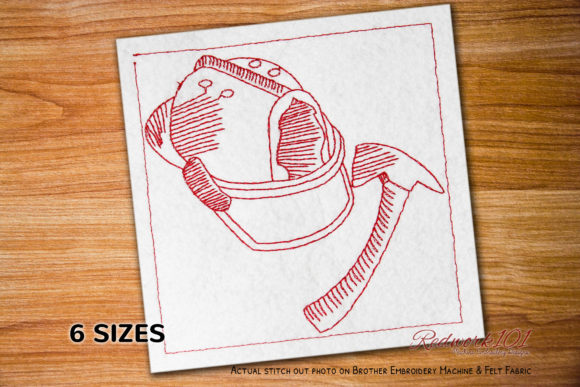
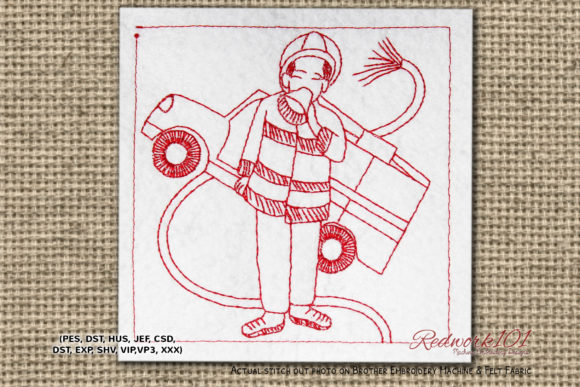
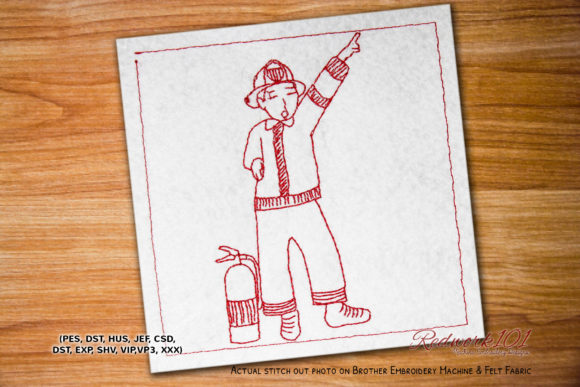
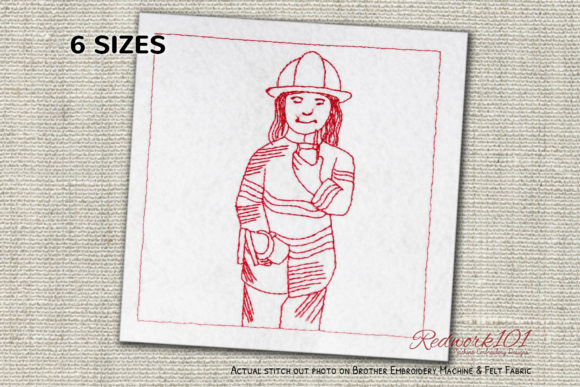
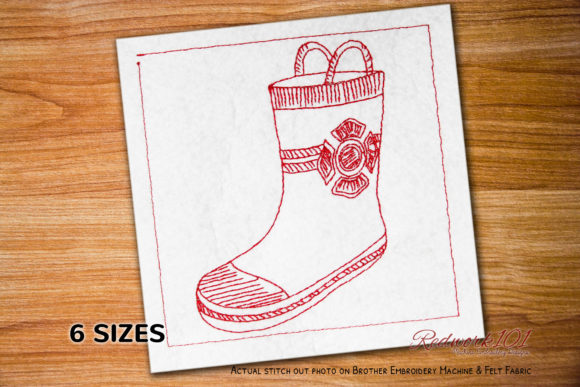
As an embroidery designer who’s prepped over 200 craft fair booths—and shipped thousands of embroidered tote bags, aprons, and patches—I opened Firefighter Boots Lineart expecting a clean, confident statement. What I got was exactly that: a strong, simplified lineart profile of classic firefighter boots—no frills, no clutter, just purposeful shape and implied strength. It reads instantly as *heroic*, *grounded*, and *authentically work-inspired*. Not cute. Not rustic. Not minimalist in the whisper-soft sense—but bold in its restraint. That makes it unusually versatile for handmade markets where customers scan tables in under three seconds.
Where Firefighter Boots Lineart Shines On Craft Fair Products
This design thrives where intention meets utility. On a heavyweight canvas tote bag? Perfect—centered above the pocket or scaled large across the front, it reads clearly from six feet away. On an apron? Ideal for the lower left corner (just above the pocket), balancing weight without overwhelming the wearer. For tea towel embroidery? It works best on the lower third, especially on natural linen or unbleached cotton—where the lineart’s clarity contrasts beautifully against subtle fabric texture. As an embroidered patch? Excellent—clean edges hold up through washing and iron-on application, and its shape lends itself to both sew-on and heat-seal backings.
It also performs surprisingly well on curved surfaces—like structured caps—provided you avoid the very top crown. The boot’s vertical orientation and open negative space around the shaft allow for gentle digitizing adjustments without losing legibility. On small pouches or pillow covers? Scale it down thoughtfully—not below 3.5 inches tall—or risk losing definition in the toe and heel contours. Avoid cramming it onto tiny market bags or keychain tags unless you’ve tested stitch density thoroughly.
Photography, Listings, and Digital Appeal for Etsy Sellers
Firefighter Boots Lineart photographs with striking simplicity. No gradients, no color dependencies—it relies on crisp outlines and confident spacing. That means your Etsy listing mockups pop even on mobile screens. Pair it with neutral backgrounds (stone, wood grain, or soft gray) and one high-contrast thread (navy on ecru, red on charcoal, or white on black) and you’ve got scroll-stopping visual consistency. Bonus: because it’s lineart—not filled—it translates cleanly into printable mockups, social media banners, and even simple SVG-based marketing assets for your small shop product launch.
It feels premium without looking expensive—ideal for boutique makers who curate quality over quantity. And unlike overly literal or cartoonish firefighting motifs, this design avoids seasonal or trend-driven fatigue. It’s timeless enough for year-round gifting—think “thank you” gifts for first responders, teacher appreciation (for PE or safety instructors), or even as part of a themed “community heroes” collection alongside nurse caps or mail carrier hats.
Production Realities Every Embroidery Business Owner Should Know
Yes—it’s lineart, but don’t assume it’s low-effort. The ankle strap, sole contour, and boot height all demand precise stitch placement. Check your digitized version for tight curves—if the inner heel or tongue area is over-digitized, stitch density can balloon and cause puckering on lightweight fabrics. Test on scrap fabric *before* hooping your final run, especially if using textured towels or thick denim.
The optional Box Stitch referenced in the description? Treat it as a framing device—not a requirement. Most craft fair buyers respond better to the clean lineart alone. If you do use the outer box, choose a thread color that complements, not competes: a warm tan for natural fabrics, deep charcoal for dark apparel, or metallic copper for gift-ready items. Skip the box entirely on small patches or curved cap fronts—clarity trumps decoration there.
Dark fabric? Use bright white or neon orange thread for maximum impact—but confirm contrast with a physical swatch. Curved surfaces? Reduce underlay and increase stop-and-hooping precision. Dense areas? Confirm stabilizer choice: medium-weight cutaway for structured items like caps and pouches; tear-away for tea towels and lightweight totes.
Booth Impact, Brand Alignment, and Buyer Engagement
At a crowded handmade market, Firefighter Boots Lineart stands out by being both specific and universally resonant. It signals craftsmanship (clean lines = skilled digitizing), authenticity (real-world Work category reference), and quiet pride—not loud novelty. Customers pause longer when they recognize meaning without needing explanation. That pause turns into questions: “Is this for firefighters?” “Do you make custom names?” “Can I get this on a lunchbox?”—all openings for upsells and connection.
For brand consistency, it pairs seamlessly with other occupational lineart—think mechanic gloves, gardening trowels, or carpenter squares—creating a cohesive “Trades & Tools” series. That strengthens booth storytelling and encourages bundle sales (e.g., “First Responder Set”: boots + helmet + badge). As a finished product, it elevates perceived handmade quality—especially when paired with natural fibers and thoughtful finishing like bound edges or leather pulls.
Final Designer Notes Before You Stitch
- Always test the embroidery file on scrap fabric matching your final product’s weight and texture.
- Verify thread contrast in person—not just on screen—especially for dark or heathered fabrics.
- Review spacing and proportions at actual size: does the boot sit comfortably within your hoop size? Does it leave breathing room on all sides?
- Inspect stitch density in the ankle strap and sole curve—over-stitching here causes stiffness and distortion.
- Choose stabilizer intentionally: cutaway for durability, tear-away for softness, fusible for lightweight layers.
- Create at least one real mockup—not just a digital preview—before committing to batch production.
- Compare fabric colors side-by-side: a cream thread on oatmeal linen reads differently than on ivory cotton poplin.
- Confirm commercial licensing before selling finished products—this is a digital embroidery file intended for commercial embroidery use, and rights vary by seller.