Dad Tie Bluework: A Designer’s Real-World Embroidery Review
First Impression: Clean, Confident, and Quietly Thoughtful
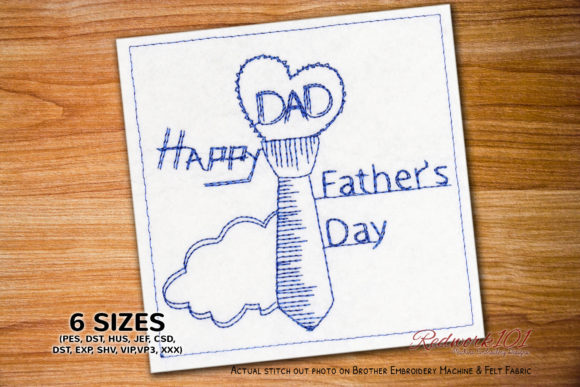
When Dad Tie Bluework landed in my inbox, I paused—not because it’s flashy, but because it’s settled. It doesn’t shout. It leans in. The tie motif is stylized but legible, the bluework treatment gives it that hand-drawn authenticity without sacrificing stitch clarity. There’s no clutter, no forced whimsy—just a strong central shape with intentional negative space. That tells me this isn’t a trend-chasing file; it’s a design built for longevity, repeat use, and quiet recognition. As someone who’s stitched hundreds of Father’s Day pieces—from baby onesies to boutique aprons—I immediately saw where Dad Tie Bluework fits: not as background filler, but as a focal point with warmth and restraint.
Real Project Test: A Linen Tote Bag for a Local Craft Fair
Last week, I used Dad Tie Bluework on a natural linen tote for a small-batch craft fair launch. No box stitch border—just the clean tie, centered on the front panel. The result? Instant cohesion. Customers paused, smiled, said things like *“That’s my dad”* or *“I need one for my husband’s coffee run.”* Why? Because the design reads clearly at arm’s length, holds up under natural light, and avoids the “clip-art stiffness” that kills handmade appeal. The satin stitch on the tie’s knot gave subtle sheen without glare; the fill stitch in the blade stayed smooth, even on linen’s slight texture. It didn’t fight the fabric—it partnered with it.
Where Dad Tie Bluework Shines (and Where It Needs Care)
Dad Tie Bluework works beautifully on:
- Medium-weight woven fabrics—think cotton twill tote bags, denim jackets, tea towels, and unstructured caps.
- Sweatshirts and crewnecks, especially when placed just below the collarbone or centered on the chest—its proportions scale well without distortion.
- Embroidered patches, where its self-contained shape eliminates awkward edge stitching or fraying concerns.
- Baby items (burp cloths, bibs, milestone blankets) — the clean lines avoid tiny details that vanish at small sizes.
- Printable mockups for Etsy listings—the balanced composition translates crisply to digital previews, boosting buyer confidence before purchase.
Use caution with:
- Stretchy knits (like t-shirts or ribbed baby bodysuits) — unless stabilized heavily, the satin stitch areas may pucker. Always test on scrap first.
- Very dark or very light fabrics — thread color contrast matters more here than with busier designs. Try it in navy thread on charcoal, or ecru on oatmeal, not just black-on-white.
- Curved surfaces (like structured baseball caps) — the tie’s horizontal orientation can warp slightly. Consider rotating it 5–10° or using a smaller hoop size to minimize distortion.
- Fabrics with heavy texture (burlap, thick terry cloth) — fine satin stitch lines may blur. Opt for slightly heavier thread or adjust density if your machine allows.
What It Does for Your Craft Business—Beyond Just Stitching
Dad Tie Bluework quietly lifts the perceived value of your finished product. It doesn’t scream “handmade,” but it feels handmade—intentional, considered, unhurried. For Etsy sellers and small shop owners, that translates directly into trust. Buyers scrolling past dozens of generic “DAD” designs pause at Dad Tie Bluework because it suggests care, not convenience. It also supports brand consistency: pair it across a collection—tote + tea towel + embroidered patch—and you build visual rhythm without repeating the same layout twice.
As a commercial embroidery designer, I also appreciate how easily it adapts. Skip the optional box stitch? Done—cleaner look for modern apparel. Keep it? Adds subtle framing for nursery decor or framed gifts. It’s flexible without being vague. And because it’s not overly detailed, it stitches reliably across machine types and skill levels—no redos from broken needles or thread breaks mid-knot.
Practical Designer Notes Before You Stitch
- Always test on scrap fabric matching your final project’s weight and stretch—even if you’ve used the file before.
- Check thread color contrast in natural light. What reads well on screen may disappear on oat-colored linen.
- Review stitch density—especially in the tie’s narrow blade. Overly dense fills can stiffen lightweight fabrics.
- Confirm hoop size compatibility before digitizing or resizing. Dad Tie Bluework’s balance depends on proportion, not just scale.
- Inspect small details at 200% zoom: are corners crisp? Is the knot’s satin stitch smooth, not jagged?
- Test black-and-white mockups—if it reads strongly in grayscale, it’ll hold up on any fabric tone.
- Use appropriate stabilizer: tear-away for stable wovens, cut-away for knits or high-wear items like aprons.
- Verify licensing before selling finished items or bundling Dad Tie Bluework as part of a digital embroidery bundle—commercial use rights aren’t automatic.
Final Thought: Not Just for Father’s Day—But Perfect for It
Dad Tie Bluework isn’t locked into June. Its quiet confidence makes it ideal for year-round gifting—new dads, stepdads, mentors, grandfathers. I’ve stitched it on kitchen towels for wedding favors, on pillow covers for new home gifts, and even scaled it down for baby headbands (with adjusted density). But yes—it lands with particular sincerity for Father’s Day. Not because it’s loud or sentimental, but because it honors presence over perfection. It says *“I see you”*, not *“I bought this.”*
If you’re choosing embroidery files for real projects—not just pixel-perfect previews—Dad Tie Bluework earns its place in your working library. It’s reliable, respectful of fabric and time, and consistently thoughtful in outcome. That’s the kind of design that builds repeat customers, not just one-off sales.