Line Quilting Review for Small Business Merch
First Impression: A Timeless Design with Modern Appeal
Upon first glance, Line Quilting feels like a design that bridges the gap between classic craftsmanship and contemporary branding. It carries a subtle elegance that suggests quality without being overly ornate. The title alone hints at a textured, layered look—perfect for businesses aiming to convey both durability and style. As an embroidery designer, I immediately sensed its potential for small business merch, especially in areas where subtle detail can make a big impact.
Design Versatility for Brand Identity and Product Value
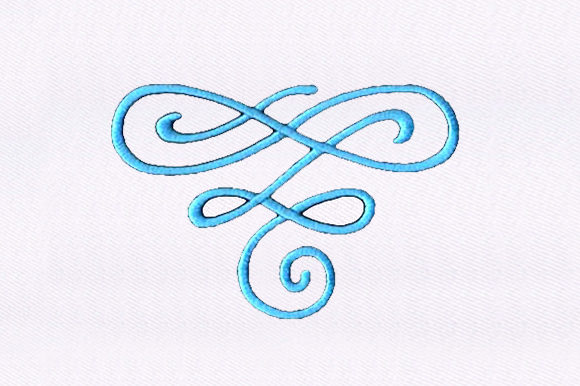
Line Quilting is a versatile machine embroidery design that offers a range of applications. Whether used as an embroidered patch, a chest logo accent, or a sleeve detail, it maintains its visual integrity across different scales and surfaces. Its clean lines and structured patterns lend themselves well to brand identity, helping small businesses create a cohesive look across their custom apparel and branded merchandise.
The design’s ability to adapt to various product types—from caps and tote bags to aprons and work shirts—makes it a valuable asset for crafters and Etsy sellers looking to expand their offerings. Its presence on product packaging accents or customer gifts also enhances perceived value, contributing to a more professional and handmade presentation.
Real-World Use Cases for Small Business Merch
Line Quilting performs exceptionally well in real-world scenarios, particularly when applied to items that require both visibility and durability. For example, using it as a patch on staff uniforms or as a cap front adds a touch of sophistication without overwhelming the overall design. On tote bags and aprons, it serves as a subtle yet effective branding tool, reinforcing brand recognition through consistent visual elements.
Its stitch density and detailed outlines are ideal for creating a premium feel on custom apparel, while still maintaining clarity even at smaller sizes. This makes it a great choice for embroidered patches, where intricate details can be challenging to preserve. Additionally, its compatibility with multiple fabric textures ensures that it looks good on everything from cotton to denim, making it a flexible option for different product lines.
Cautions for Specific Applications
While Line Quilting is a strong candidate for many uses, there are a few considerations to keep in mind. When working with small patch sizes, it's important to ensure that the design doesn't become too dense or lose clarity. Testing the design in black and white first can help identify any issues with contrast or spacing before moving forward.
Similarly, when applying it to curved surfaces or dark uniforms, the thread color contrast becomes critical. A poor match can result in a lack of visibility or an unprofessional appearance. It’s also essential to confirm the hoop size and use proper stabilizer to prevent puckering or distortion, especially on textured fabrics.
For high-stitch-density areas, such as detailed outlines or intricate patterns, it's worth checking if the design file supports these features without compromising performance. Ensuring that the embroidery file format is compatible with your embroidery machine will also save time and reduce the risk of errors during production.
Design Assets for Commercial Embroidery and Branding
As a digital embroidery file, Line Quilting provides a solid foundation for commercial embroidery projects. Its availability in multiple formats—such as DST, PES, and VIP—ensures compatibility with a wide range of embroidery machines, making it accessible for both small shops and larger production runs.
Creating a printable mockup for client approval is highly recommended, especially when designing for branded merchandise. This allows stakeholders to visualize how the finished product will look in real life, ensuring alignment with brand identity and customer expectations. Comparing Line Quilting to other design assets within the brand’s portfolio can also help maintain visual consistency across all product lines.
Practical Notes for Embroidery Designers
Before finalizing the use of Line Quilting, consider the following practical tips:
- Test in black and white to evaluate contrast and clarity.
- Check scalability to ensure the design works at small patch sizes.
- Review thread color contrast for visibility on different fabric types.
- Inspect spacing to avoid overcrowding or distortion.
- Confirm hoop size for optimal stitching results.
- Use proper stabilizer to prevent puckering on textured fabrics.
- Create a mockup for client review and approval.
- Compare with other design assets to maintain brand consistency.
- Confirm commercial licensing before using the design for business purposes.
These steps will help ensure that Line Quilting not only meets technical requirements but also contributes positively to the overall brand experience.
Conclusion: A Reliable Choice for Small Business Merch
Line Quilting is a thoughtful, adaptable design that offers great potential for small business merch and branded products. Its clean lines and structured patterns make it ideal for enhancing brand identity, improving customer trust, and increasing product value. Whether used as a patch, cap design, or tote bag mark, it delivers a professional finish that aligns with both handmade and commercial embroidery standards.
With careful consideration of thread colors, hoop size, and fabric texture, Line Quilting can become a standout element in your design toolkit. By following best practices for testing and preparation, you’ll be well-equipped to deliver high-quality, visually appealing embroidered products that resonate with your target audience.