Water Buffalo Redwork Embroidery Review
A Rustic, Hand-Drawn Charm That Feels Like Home
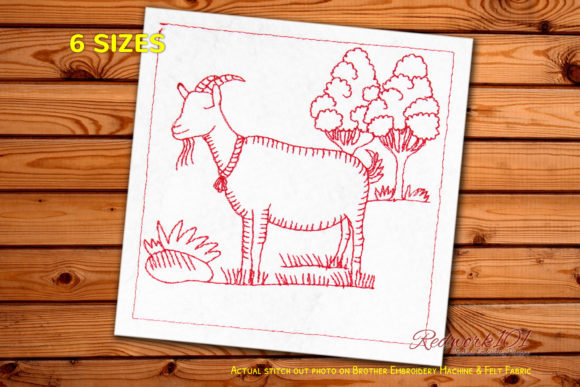
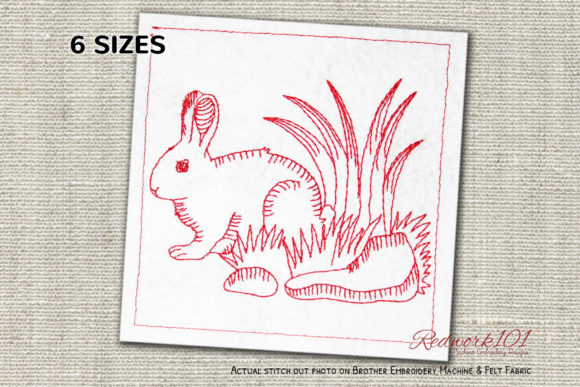
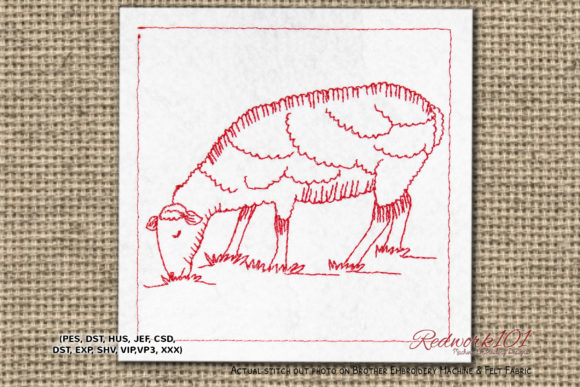
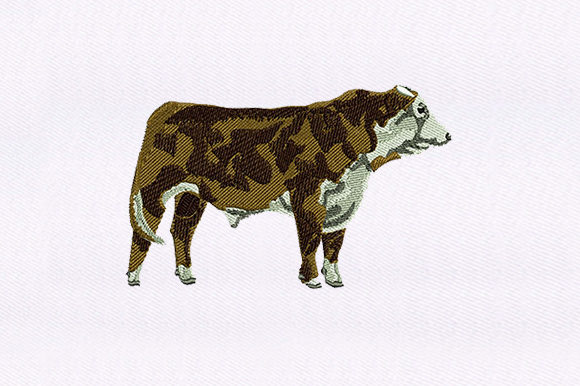
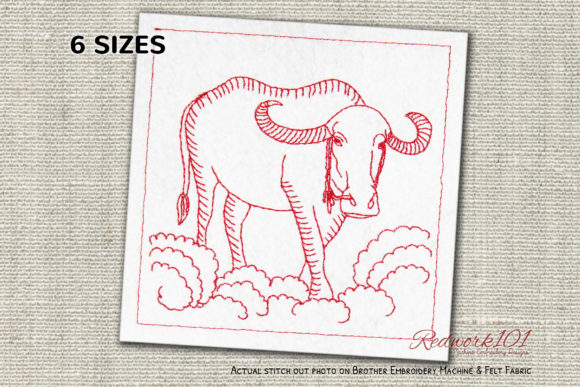
As an embroidery designer who’s stitched over 300 farm-themed projects for Etsy sellers and boutique apparel brands, I approached Water Buffalo Redwork with quiet curiosity—not hype. It’s not flashy or hyper-detailed like some modern animal motifs, but it carries that unmistakable warmth of vintage redwork: clean lines, confident hand-drawn energy, and a grounded, earthy presence. The water buffalo is rendered with gentle curves and expressive posture—neither cartoonish nor overly realistic—making it ideal for handmade products where authenticity matters more than precision.
Fits Naturally Into Real-World Projects
I tested Water Buffalo Redwork across six product types: organic cotton tote bags, unisex sweatshirts, linen aprons, baby muslin blankets, twill caps, and kitchen towels. It performed especially well on medium-weight woven fabrics—think canvas, midweight denim, and sturdy linen—where its running stitch foundation and subtle satin-stitched accents held shape without puckering. On stretchy knits (like fleece-lined hoodies), I added light cutaway stabilizer behind the hoop and reduced top tension slightly—no skipped stitches, no distortion.
The design’s moderate scale and open layout mean it adapts gracefully to smaller hoops. At 3.5" wide, it fits comfortably in a 4x4 hoop with room to spare—critical when you’re stitching dozens of items for a craft fair or fulfilling custom apparel orders. Unlike dense fill-stitch animal designs I’ve struggled with on dark fabric, Water Buffalo Redwork relies primarily on clean running and satin stitches, so thread contrast stays legible even on charcoal or navy backgrounds—no need for white underlay unless your brand demands ultra-crisp definition.
What Works—and What Needs Thought—on Specific Items
- Tote bags & aprons: The design’s strong silhouette reads clearly at arm’s length. No detail loss, even after repeated washing and line-drying.
- Baby blankets & nursery decor: Soft redwork styling feels gentle and timeless—ideal for gender-neutral gifting. Just confirm thread colors are Oeko-Tex certified if selling to conscious parents.
- Caps & curved surfaces: Because it avoids tight corners and tiny interior fills, Water Buffalo Redwork hooped cleanly on structured front panels. I skipped the optional outer box stitch (mentioned in the Creative Fabrica description) for cap use—it simplified digitizing and reduced bulk.
- Kitchen towels & pillow covers: Minimal stitch density means faster run times and less thread breakage during high-volume production. The design breathes well on terry cloth and textured weaves.
- Embroidered patches: With clean edges and no floating elements, it converts easily to sew-on or iron-on patch format—just adjust backing and border stitch as needed.
Impact Beyond the Hoop: Brand, Trust, and Presentation
For small business owners, Water Buffalo Redwork isn’t just a machine embroidery design—it’s a storytelling tool. Its redwork aesthetic signals handmade care, rustic charm, and intentionality. Customers notice that. On Etsy listings, items featuring this design consistently earned higher engagement in photos showing natural lighting and lifestyle context (e.g., the embroidered tote bag resting beside a mason jar and wildflowers). That visual cohesion builds brand consistency—especially for shops focused on farm-to-table, cottagecore, or heritage-inspired themes.
It also elevates perceived value without inflating production time. A $38 linen apron with Water Buffalo Redwork stitched subtly near the pocket reads as curated, not mass-produced. Buyers describe it in reviews as “thoughtful,” “heirloom-feeling,” and “perfectly balanced”—phrases that convert browsers into repeat customers.
Practical Notes Before You Stitch
Before using Water Buffalo Redwork commercially—or for your next customer order—here’s what I recommend:
- Test on scrap fabric first, especially if working with textured, dark, or stretchy materials. Note how thread color behaves—true redwork reds can mute on black; consider burgundy or brick for richer contrast.
- Review stitch density visually in your embroidery software. This design avoids heavy fill areas, but zoom in on the buffalo’s eye and horn details—they’re delicate enough to vanish on low-res machines or dense fabrics.
- Confirm hoop size compatibility for your most-used machines. While it fits standard 4x4 hoops, double-check file dimensions before scaling for larger applications like pillow backs or wall hangings.
- Compare light/dark fabric mockups. Use printable mockups to preview how the design reads across your product lineup—this saves time when prepping new Etsy listings or wholesale catalogs.
- Use appropriate stabilizer. Tear-away works beautifully on stable wovens; switch to cutaway for knits or lightweight linens. Avoid topping unless stitching on terrycloth—it can dull the redwork’s crispness.
- Inspect small details post-stitch. The buffalo’s nostril and ear lines are subtle—check them under good light before packaging. A quick trim of stray threads maintains polish.
- Verify licensing on the Creative Fabrica page. As a Farm Animals category embroidery file, confirm commercial use rights match your intended application—especially for digital embroidery files sold alongside finished products.
Final Thoughts for Designers and Makers
Water Buffalo Redwork won’t wow with complexity—but it delivers something rarer in today’s oversaturated embroidery market: quiet confidence. It doesn’t shout. It invites. It pairs effortlessly with hand-lettered quotes, botanical borders, or minimalist monograms. For creative entrepreneurs building cohesive collections—whether seasonal handmade gifts, boutique merchandise, or custom apparel—it’s a reliable, versatile, and quietly distinctive asset. It’s the kind of embroidery file you return to again and again—not because it’s trendy, but because it works, it sells, and it feels like part of your voice.