Walnuts with Leaf and Seeds Redwork
A Thoughtful, Earthy Design for Meaningful Personalized Gifts
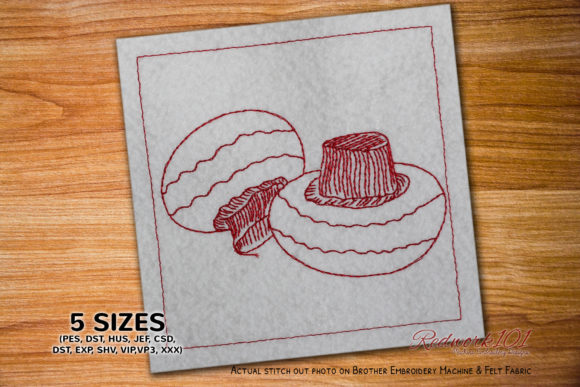
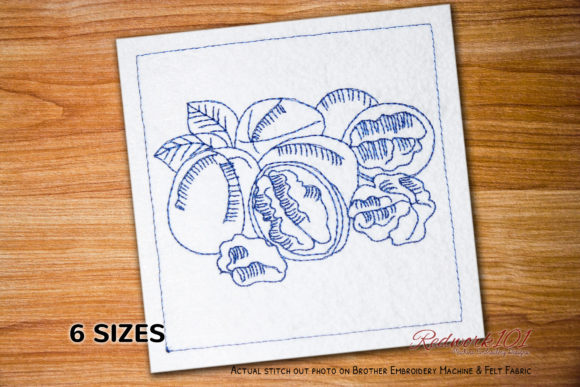
As an embroidery designer who’s tested hundreds of motifs for baby blankets, wedding keepsakes, and kitchen linens, I was immediately drawn to Walnuts with Leaf and Seeds Redwork. It doesn’t shout—it invites. There’s a quiet confidence in its botanical simplicity: three walnuts nestled beside a gracefully curved leaf, tiny seeds scattered like quiet intentions. The redwork style—clean, folk-inspired, and slightly rustic—gives it warmth without fuss. It feels handmade, not mass-produced; classic, not dated; grounded, not heavy. This isn’t a design that competes with the fabric—it converses with it.
Where This Design Truly Shines
Walnuts with Leaf and Seeds Redwork is especially effective for products where meaning matters more than flash. Think baby embroidery on organic cotton swaddles or muslin burp cloths—the walnut symbolizes wisdom and protection, making it quietly powerful for new parents. For wedding gifts, it adds subtle sophistication to linen napkins or monogrammed pillow covers—especially when paired with a couple’s initials or wedding date in a complementary script.
It’s also ideal for small shop products that lean into slow living: embroidered tea towels for artisanal bakeries, canvas tote bags for farmers’ markets, or nursery wall hangings stitched on natural linen. Etsy sellers will appreciate how well it photographs—its clean lines and balanced negative space translate beautifully in flat-lay product shots and lifestyle mockups. And because it avoids fussy detail, it scales reliably from 3” hoop applications on handkerchiefs to 5” versions on throw pillows.
Smart Pairings for Your Product Line
- Baby embroidery: Works beautifully on receiving blankets, onesies (with proper stabilizer), and milestone cards—just avoid tight curves around necklines or cuffs.
- Wedding gift: Stitch it onto ivory linen napkin sets or as a subtle accent below a couple’s names on a custom apron.
- Embroidered towel: Ideal for guest towels or kitchen hand towels—choose medium-weight cotton terry and test stitch density first.
- Pillow cover & blanket embroidery: Holds up well on medium-weave fabrics like cotton duck or linen-cotton blends. Avoid ultra-thick upholstery-weight materials unless you reduce density.
- Small shop product: Perfect for craft fair displays—pair with neutral packaging and a short story card about walnut symbolism (wisdom, strength, longevity).
Where to Use Caution
Like any thoughtful machine embroidery design, Walnuts with Leaf and Seeds Redwork has sweet spots—and boundaries. Its charm lies in clarity, so avoid using it where fine detail could blur: on stretchy baby bodysuits (unless stabilized heavily), tightly woven silk, or dark fabric with low-contrast thread colors. The leaf veins and seed outlines are delicate—not microscopic—but they’ll soften on thick terry cloth or textured jacquard unless you adjust underlay and tension.
The optional box stitch frame is worth noting: while it adds structure in digital mockups, many makers skip it entirely for a softer, more organic finish—especially on baby items or minimalist wedding goods. If you do include it, confirm whether the outer box color is part of the core design or purely decorative (the description notes it’s often a separate accent color). That flexibility makes this embroidery file unusually adaptable.
Why Customers Connect—and Return
This isn’t just another food-themed embroidery. Walnuts carry cultural resonance—longevity in Chinese tradition, intellect in Greek myth, resilience in American folklore. That subtext elevates the perceived value of your finished product. When a customer sees Walnuts with Leaf and Seeds Redwork on a handmade pillow cover, they don’t just see stitching—they sense care, intention, and quiet storytelling.
That emotional connection boosts buyer engagement: shoppers linger longer on listings featuring this motif, ask thoughtful questions about symbolism, and leave reviews mentioning “meaningful,” “heirloom quality,” and “so well executed.” For Etsy sellers and small shop owners, that translates directly to trust—and repeat orders.
Practical Embroidery Notes You Can’t Skip
Before stitching your first customer order, take these steps:
- Test on scrap fabric that matches your intended product—especially if using textured, dark, or stretchy materials.
- Check thread color contrast: redwork traditionally uses red thread, but soft terracotta, olive, or charcoal can deepen its versatility. Always verify visibility on light and dark fabric mockups.
- Confirm hoop size and placement: the design fits comfortably in standard 4×4 hoops, but measure clearance for seams, hems, or corners on pillow covers or totes.
- Review stitch density: moderate density works best for most home-decor fabrics. If stitching on delicate items like baby caps, consider reducing fill stitches manually or via software.
- Use appropriate stabilizer: tear-away for stable cottons, cut-away for knits or loosely woven linens. Skip fusible web unless testing first—it can stiffen the leaf’s drape.
- Inspect small details post-stitch: seeds and leaf tips should be crisp. If they feather or blur, revisit needle type (sharp 75/11), thread tension, and fabric prep.
- Verify commercial licensing: since you’re creating personalized gifts for resale, ensure your purchase includes rights for finished product use. When in doubt, contact the designer.
Final Thoughts for Makers and Sellers
Walnuts with Leaf and Seeds Redwork is more than a food-themed embroidery file—it’s a gentle, versatile anchor for heartfelt gifting. It bridges generations (grandmothers recognize its folk roots; millennials love its earthy minimalism), balances tradition with modern practicality, and performs consistently across categories—from baby embroidery to wedding gift to small shop product.
For crafters building a signature style, it’s a reliable workhorse. For Etsy sellers optimizing for search and sentiment, it pairs naturally with terms like “botanical embroidery,” “personalized baby gift,” and “wedding linen embroidery.” And for anyone who believes handmade products should carry quiet meaning? This design delivers—stitch by intentional stitch.