Apple Silhouette Embroidery Design
First Impression: Clean, Timeless, and Instantly Recognizable
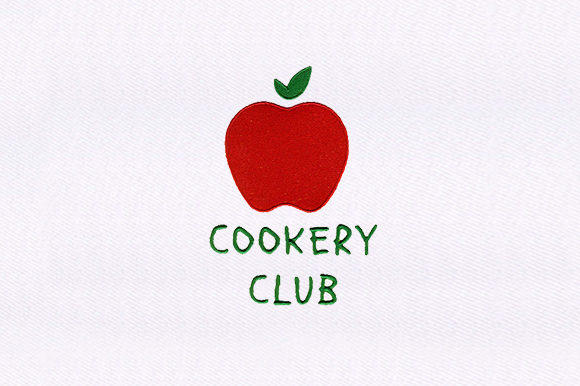
As an embroidery designer who’s prepped over 200 craft fair booths—and shipped thousands of embroidered tote bags, tea towels, and patches—my gut reaction to Apple Silhouette is immediate: this is a strong, versatile machine embroidery design with quiet confidence. It doesn’t shout. It doesn’t rely on script fonts or cartoonish details. Instead, it delivers clean contour, balanced negative space, and subtle organic curves that read as both modern and farmhouse-friendly. For Food-category embroidery, that’s gold. It avoids cliché while still feeling warm, approachable, and handmade—not mass-produced.
Where Apple Silhouette Shines in Real Craft Fair Displays
In my booth setup—think woven market bags, linen aprons, cotton twill caps, and heavyweight tea towels—Apple Silhouette performs best where simplicity meets intention. Here’s how it lands across key products:
- Tote bag design: At 3.5–4.5 inches wide, it anchors the lower corner beautifully without overwhelming. Customers notice it mid-aisle—not because it’s loud, but because it looks intentional and high-quality.
- Apron embroidery: Centered above the pocket or subtly placed on the bib? Works flawlessly. The silhouette reads clearly even from six feet away, especially on natural fabrics like unbleached cotton or oatmeal linen.
- Tea towel embroidery: A standout. The clean lines hold up against textured terry weaves, and the shape complements kitchen aesthetics—no competing patterns needed.
- Embroidered patch: Excellent candidate for iron-on or sew-on versions. Its minimal detail ensures crisp edges after cutting, and it scales well down to 2 inches without losing identity.
- Caps and pouches: Use with caution—curved surfaces and small real estate demand testing. On structured caps, keep it under 3 inches; on drawstring pouches, center it low for balance.
- Pillow covers & gift-ready items: This is where Apple Silhouette elevates perceived value. Paired with quality fabric and thoughtful thread colors (think sage green + cream or charcoal + oat), it reads premium—not crafty, but curated.
What Makes It Sell—And What Requires Extra Care
At the craft fair, customers don’t read file formats—they read clarity, consistency, and craftsmanship. Apple Silhouette succeeds because it’s instantly legible at glance. No decoding required. That matters when someone walks past your booth in 2.3 seconds.
It works equally well as a small accent (e.g., on a denim pocket or linen tag) or a bold focal point (e.g., centered on a 16" x 16" pillow cover). For Etsy sellers and small shop owners, that flexibility means one digital embroidery file can support multiple product lines—reducing design overhead while strengthening brand cohesion.
That said, practicality demands attention:
- Dense stitch areas: Check the core stem and base curve—if stitch density runs high, it may pucker on lightweight or stretchy fabrics. Always test on scrap first.
- Tiny details: None here—this is a true silhouette, so no interior veins or shading. That’s a win for reliability across fabric textures.
- Dark fabric & thread contrast: Since there’s no fill or gradient, ensure your thread color creates enough contrast. A light apple on navy denim needs bright ecru or white—not off-white.
- Curved surfaces (caps, pouches): The smooth outline adapts well, but verify hoop size compatibility before digitizing for curved hoops. Not all file formats handle distortion correction the same way.
- Small sizes: Below 1.75", the stem may blur or disappear. Stick to ≥2" for patches or tags unless you’ve tested resolution on your machine.
Photography, Listings, and Digital Presence
This design photographs exceptionally well—clean lines translate directly to sharp Etsy listings and printable mockups. Unlike busy motifs, Apple Silhouette doesn’t compete with background textures or lighting shadows. It holds its shape in flat-lay shots, lifestyle images, and even smartphone captures. For digital sellers, that means faster, more consistent product photography—and higher conversion rates.
When building design assets for your shop, pair it with neutral backgrounds and natural light. Use it across banners, social posts, and packaging inserts to reinforce visual continuity. It’s not flashy—but it’s memorable in the right context.
Designer Notes You Can’t Skip
Before stitching your first craft fair batch, do these six things:
- Test the machine embroidery design on scrap fabric matching your final product—especially if using textured tea towels or thick twill.
- Check thread contrast on both light and dark fabric swatches. A single thread color rarely works universally.
- Review spacing and stitch density in your embroidery software—look for overlapping jump stitches or overly tight corners.
- Confirm hoop size requirements across all included file formats (10O, ART, CND, DSB, DST, DSZ, EXP, HUS, JEF, PCS, PEC, PES, TAP, VIP, VP3, XXX). Some may require larger hoops than others.
- Use appropriate stabilizer: medium cutaway for knits, tear-away for stable wovens, and fusible + tear-away for tea towels.
- Create at least one real finished product—not just a mockup. Hold it in hand. Walk around your booth with it. See how it catches light and feels to touch.
Final Thought: A Quiet Workhorse for Handmade Businesses
Apple Silhouette isn’t the flashiest embroidery file in your library—but it might be the most reliable. It supports repeatable production, scales across categories, and quietly signals quality. For Etsy sellers, boutique makers, and craft fair entrepreneurs, that kind of consistency builds trust, speeds up decision-making at the booth, and strengthens your handmade product story. It doesn’t need explanation. It just works—when you’ve done the prep.