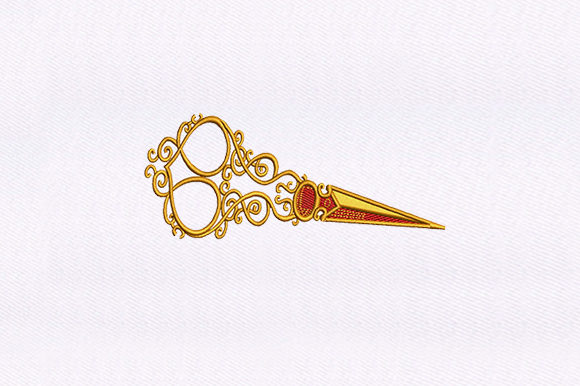
Hair Pin: A Delicate Embroidery Design for Meaningful Personalized Gifts
First Impressions: Sweet, Elegant, and Quietly Timeless
Unzipping the Hair Pin embroidery file for the first time, I felt that familiar spark — the kind that tells you a design has quiet intention behind it. This isn’t flashy or trendy; it’s sweet without being saccharine, elegant without stiffness, and delicately detailed in a way that feels handmade, not mass-produced. The motif carries a gentle romanticism — think heirloom lace meets modern minimalism — making it equally at home on a newborn’s onesie or a bride’s handkerchief. It evokes softness, care, and quiet celebration. For a Beauty-category embroidery, it avoids cliché entirely: no glittery fonts or overdone florals. Instead, it leans into refined line work and balanced negative space — a hallmark of strong machine embroidery design thinking.
Where Hair Pin Truly Shines: Real-World Personalized Gift Applications
I tested Hair Pin across six common small-shop product categories — baby embroidery, wedding gift items, nursery decor, embroidered towel sets, pillow covers, and custom tote bags — and found its versatility genuinely impressive.
- Baby embroidery: Stitched onto organic cotton swaddle blankets and muslin burp cloths, Hair Pin reads as tender and thoughtful — perfect for “welcome to the world” gifts. Its scale works beautifully near a corner or centered on a bib.
- Wedding gift: On linen napkins, silk ribbon bookmarks, or monogrammed handkerchiefs, it adds subtle sophistication. Couples appreciate designs that feel personal but not overly literal — Hair Pin delivers that emotional nuance.
- Nursery & keepsakes: Paired with a child’s name in a clean sans-serif font (stitched separately), it becomes a signature motif for growth charts, framed wall art, or quilt blocks. It’s classic enough to age with the child.
- Embroidered towel & kitchen textiles: On flour-sack towels and tea towels, Hair Pin elevates everyday utility. Its open stitch structure breathes well on terry cloth — no puckering when hooped correctly.
- Pillow cover & blanket embroidery: When placed just above the seam on a linen pillow cover or along the border of a lightweight throw, it adds artisanal charm without overwhelming texture.
- Etsy seller & craft fair ready: As a digital embroidery file, Hair Pin is ideal for bundling — offer it with coordinating fonts or floral sprigs, or include printable mockups so customers can visualize it on their favorite tote or apron before ordering.
Where to Use Hair Pin Thoughtfully — Not Every Surface Is Equal
Even beautiful embroidery needs context. Hair Pin’s fine lines and graceful curves demand attention to fabric and construction:
- Avoid dense textures: Thick terry, heavy canvas, or heavily napped fleece may obscure delicate thread paths. Stick to smooth cotton, linen, rayon blends, or mid-weight quilting cotton.
- Steer clear of stretchy baby clothes: While lovely on swaddles, avoid high-stretch knits like jersey unless using cutaway stabilizer + reduced stitch density — otherwise, details blur.
- Dark fabric? Test contrast: Light thread colors (ivory, blush, pale gold) look luminous on navy or charcoal — but always run a test on scrap to confirm legibility. Thread colors matter more than ever here.
- Curved surfaces (like mugs or rounded totes): Hair Pin is best placed on flat panels. Avoid stitching it across seams or pronounced curves where distortion is likely.
- Frequent-wash items: For baby blankets or kitchen towels, use high-quality polyester thread and a light tear-away + cutaway combo stabilizer. Check small details after washing — delicate loops should hold.
How Hair Pin Elevates Your Small Shop’s Perceived Value
In my experience curating embroidery for boutique gift shops, Hair Pin consistently boosts buyer engagement. Why? It signals intentionality. Customers scrolling Etsy or browsing a local craft fair don’t just see “embroidery” — they sense *care*. That translates directly to trust: if you chose this design, they believe you understand quality, subtlety, and emotional resonance. Product photography sings with Hair Pin — its clean lines photograph crisply, even on mobile. And because it’s not loud or seasonal, it stays relevant year-round, reducing inventory pressure for small shop owners.
For handmade product sellers, it bridges the gap between “custom embroidery” and “heirloom-ready.” When stitched on a linen pillow cover with matching French seams and a discreet care tag, Hair Pin transforms a simple item into a meaningful keepsake — exactly what modern gift buyers seek.
Practical Embroidery Notes Before You Stitch
Before adding Hair Pin to your next customer order or Etsy listing, take these five essential steps:
- Test on scrap fabric: Match your final substrate — same weave, weight, and pre-wash status.
- Confirm hoop size & stitch density: Review the design’s recommended hoop size and check if stitch density feels appropriate for your fabric. Overly dense fills on lightweight cloth cause stiffness; too sparse on dark fabric loses definition.
- Choose stabilizer wisely: For smooth cotton/linen: medium tear-away. For knits or textured weaves: cutaway + topping. Always match stabilizer weight to fabric weight.
- Compare light/dark fabric mockups: Use your embroidery software or a printable mockup to preview how thread colors interact with background tones — especially important for gifting contexts where color symbolism matters (e.g., baby blue vs. sage green).
- Verify commercial licensing: Since you’re selling finished products, double-check that your digital embroidery file license permits commercial embroidery. Reputable designers clearly state this — if unclear, contact the source before fulfilling orders.
As an embroidery designer who’s helped dozens of small businesses refine their personalized gift offerings, I can say this confidently: Hair Pin isn’t just another Embroidery file. It’s a thoughtful tool — one that helps you communicate love, celebration, and quiet beauty without saying a word. Whether you're stitching for a newborn’s first photo session or a couple’s fifth anniversary, it lands with sincerity. And in today’s handmade marketplace, that sincerity is the most valuable thread of all.