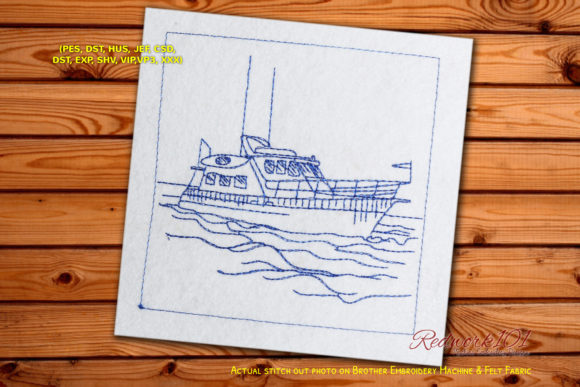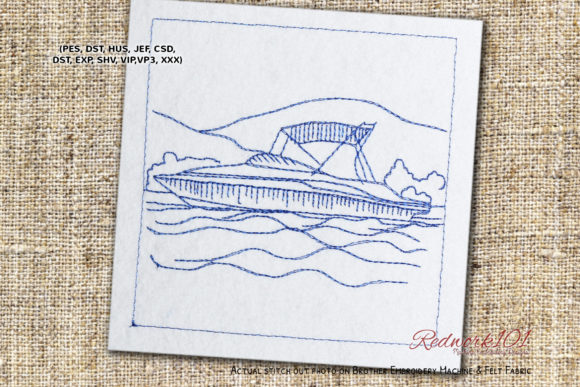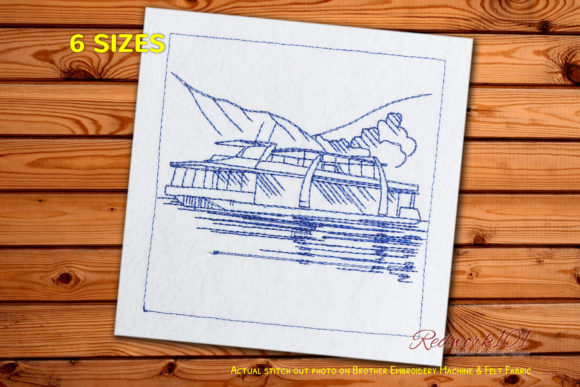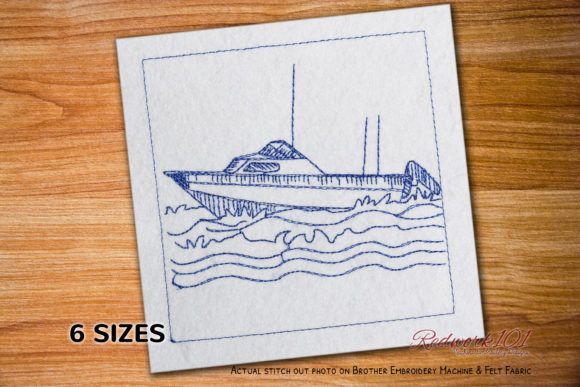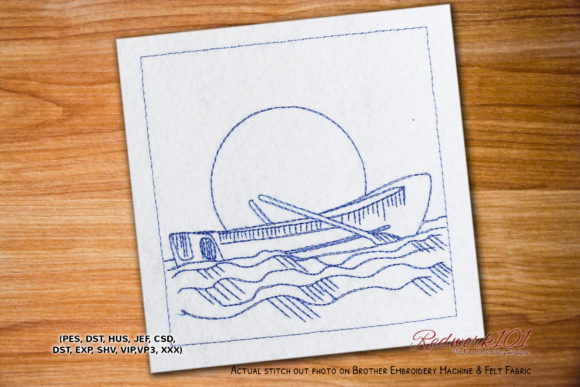
Dinghy Boat Redwork
First Impression: A Nautical Touch with Craftsmanship
The Dinghy Boat Redwork design immediately evokes a sense of nautical charm and classic craftsmanship. With its detailed stitching and subtle color palette, it feels both professional and approachable. The redwork style is often associated with traditional embroidery techniques, which adds a touch of handmade authenticity. This makes the design ideal for small businesses that want to convey a sense of quality and care in their branding.
Design Suitability for Business Use
The Dinghy Boat Redwork design is versatile enough to be used across various merchandise types, making it a valuable asset for small business owners. Whether applied as an embroidered patch, a chest logo, or a cap design, this design can enhance brand identity without overwhelming the product.
As an embroidered patch, the Dinghy Boat Redwork can serve as a subtle yet effective branding tool. It works particularly well on items like aprons, tote bags, and caps. When used on a cap front, the design maintains its visual impact even at smaller sizes. However, due to its intricate details, it may require careful placement to ensure clarity and legibility.
For custom apparel, such as work shirts or uniforms, the design can add a unique character to the look. Its redwork style is especially suited for apron embroidery and cap embroidery, where a touch of personality can make a big difference. The design’s simplicity allows it to blend seamlessly into more complex patterns, making it a great addition to branded product lines.
Considerations for Real-World Application
While the Dinghy Boat Redwork design is visually appealing, there are several factors to consider before using it in commercial settings. One important consideration is stitch density. High stitch density can affect how the design looks on different fabrics, especially those with textured surfaces. Testing the design on a variety of materials will help determine its adaptability.
Another key point is thread color contrast. The design’s effectiveness depends heavily on the choice of thread colors. For instance, using a dark thread on light fabric may reduce visibility, while a bright thread on dark fabric could overpower the design. It’s recommended to test the design in black and white first to assess its overall composition and clarity.
When considering hoop size, it’s essential to ensure that the design fits comfortably within the chosen hoop dimensions. Some designs may require larger hoops to maintain detail integrity, especially when working with high stitch counts. Always check the file specifications before purchasing to avoid any potential issues during production.
Additionally, the use of proper stabilizer is crucial for achieving a clean finish. The design’s texture and detail may require a more robust stabilizer to prevent puckering or distortion during the embroidery process. Testing the design on real fabric before mass production is also advisable to ensure consistency and quality.
Impact on Brand Identity and Customer Perception
The Dinghy Boat Redwork design has the potential to significantly influence brand identity and customer perception. Its vintage-inspired aesthetic appeals to businesses that value tradition and craftsmanship. This can create a stronger emotional connection with customers who appreciate handmade products and artisanal details.
From a brand identity standpoint, the design offers a balance between professionalism and warmth. It can be used to reinforce a brand’s commitment to quality and attention to detail. When used consistently across multiple product lines, such as tote bag design and product packaging accents, the design helps build visual consistency and recognition.
Furthermore, the design can enhance customer trust by conveying a sense of authenticity and care. Small businesses that incorporate the Dinghy Boat Redwork into their merch can position themselves as thoughtful and detail-oriented, which can lead to increased buyer engagement and loyalty.
Practical Designer Notes for Commercial Use
Before using the Dinghy Boat Redwork design in a commercial setting, there are several practical steps to consider:
- Test in black and white to evaluate the design’s structure and clarity.
- Check small patch sizes to ensure the design remains legible and impactful.
- Review thread color contrast to ensure optimal visibility on different fabrics.
- Inspect spacing to prevent overcrowding and maintain visual balance.
- Confirm hoop size to ensure the design fits properly and maintains detail integrity.
- Test on real fabric to identify any potential issues with stitching or fabric interaction.
- Use proper stabilizer to achieve a smooth and professional finish.
- Create a printable mockup for client approval and to visualize the final product.
- Compare with other design assets to ensure visual harmony and consistency.
- Confirm commercial licensing to ensure legal use for business purposes.
These steps will help ensure that the Dinghy Boat Redwork design is not only visually appealing but also functional and suitable for a wide range of commercial applications.