Camping Pocket Knife Hand Sanitizer
A Practical Embroidery Designer’s First Look
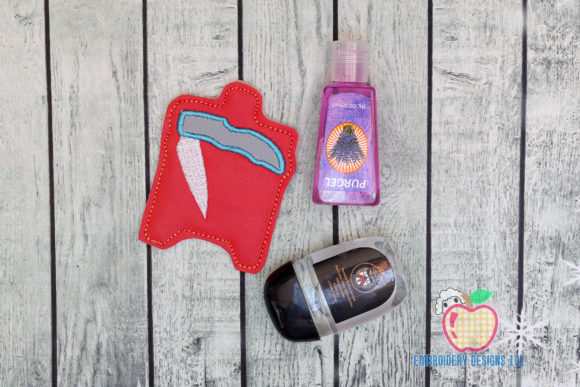
As someone who’s digitized and stitched hundreds of embroidery files for Etsy shops, boutique apparel lines, and custom gift clients, I approached the Camping Pocket Knife Hand Sanitizer design with cautious curiosity. It’s not your typical nature motif—no pine trees or campfires here—but a clever, functional concept: a stylized pocket knife wrapped around a compact hand sanitizer bottle. Visually, it leans into rustic charm with clean line work, subtle texture in the blade’s bevel, and just enough detail to read clearly at 3–4 inches tall. The stitching personality feels confident—not overly dense, not sparse—leaning on satin stitch for the knife handle and fill stitch for the sanitizer body, with small running stitch accents suggesting ridges and labels. It doesn’t scream “applique design,” but it *could* work beautifully as one if layered intentionally.
Fits Naturally Into Real-World Projects
I immediately pictured this on a canvas tote bag for a local outdoor gear shop—stitched cleanly over the right pocket, paired with a small “Trail Ready” text below. It also landed well in my mental mockup for a unisex camping-themed sweatshirt (left chest placement), an apron for a forest-brew coffee roaster, and even a kitchen towel set for a seasonal Etsy launch. What makes Camping Pocket Knife Hand Sanitizer stand out isn’t novelty alone—it’s utility fused with storytelling. Buyers recognize the function *and* the theme, which strengthens perceived value in handmade product listings. Unlike generic camping icons, this design implies preparedness, practicality, and quiet humor—traits that resonate across custom apparel, embroidered patch collections, and personalized gifts.
Performance Across Fabric Types & Applications
In real embroidery work, the Camping Pocket Knife Hand Sanitizer holds up well—but with caveats. On stable fabrics like medium-weight cotton twill (tote bags, aprons) or brushed poly-cotton (sweatshirts), stitch definition stays crisp with standard cutaway stabilizer. On stretchy fabric—like a lightweight performance tee—I recommend basting + tear-away stabilizer underneath *and* topping with a light film to prevent skipped stitches in the tighter curves of the knife’s hinge area. For dark fabric, test thread color contrast early: light gray or olive green thread pops better than white on charcoal or navy. On curved cap surfaces, I’d reduce the size slightly (to ~2.75”) and confirm hoop size compatibility before committing—this design’s balanced proportions shrink gracefully, but tiny lettering (if added later via companion text files) won’t survive under 2.25” without re-digitization.
Small Hoop Friendly—With Smart Prep
The design fits comfortably in a 4x4 hoop, which is a major plus for home-based embroiderers and small studios. That means no re-hooping mid-stitch for most applications—critical when turning out consistent batches for craft fairs or wholesale orders. However, inspect the file details carefully: some versions include optional label elements (e.g., “1 oz” or “Sanitize & Survive”) that may push width limits. Always verify the exact dimensions listed on the Creative Fabrica product page before downloading. If you’re using it for baby blankets or nursery decor, keep in mind that dense fill areas (like the sanitizer cap) should be tested for softness—trimming jump stitches and using matte thread helps avoid scratchiness.
How It Elevates Your Finished Product
This isn’t just another machine embroidery design—it subtly upgrades buyer trust. When customers see thoughtful, cohesive design assets like Camping Pocket Knife Hand Sanitizer on a handmade item, they infer care, intention, and niche expertise. That perception directly supports higher price points on Etsy, stronger brand consistency across your digital embroidery file bundles, and better engagement in product photography (the shape photographs cleanly against natural backdrops—wood grain, gravel, moss). For creative entrepreneurs selling commercial embroidery, it adds versatility: use it standalone, pair it with coordinating trail-themed motifs, or integrate it into a printable mockup series for social media promos. Its dual-size compatibility (1oz and 2oz holders implied in the description) also opens doors for bundling—think “Camping Care Kit” listings with matching embroidered patches and zip pouches.
Essential Embroidery Notes Before You Stitch
- Always test on scrap fabric first—especially with textured weaves (like burlap-blend tea towels) where stitch density can cause puckering.
- Review stitch density visually in your embroidery software. Areas like the knife’s pivot point and sanitizer nozzle benefit from moderate density—too heavy, and it stiffens; too light, and detail blurs.
- Confirm hoop size and file format compatibility with your machine. Creative Fabrica embroidery files often include multiple formats (PES, DST, EXP)—but double-check before sending to production.
- Compare light/dark fabric mockups side-by-side. Some thread colors lose legibility on black or deep green—swatch before stitching 50 units.
- Use appropriate stabilizer: cutaway for knits and high-wash items (baby blankets, kitchen towels); tear-away for stable wovens (caps, patches).
- Inspect small details post-stitch: check that the knife’s rivet and sanitizer label lines are fully formed—not lost in thread buildup.
- Verify licensing terms on Creative Fabrica before selling finished products. Commercial use is typically allowed, but always confirm scope—especially for resale of physical goods or digital embroidery file bundles.
Final Thoughts for Designers and Makers
The Camping Pocket Knife Hand Sanitizer isn’t flashy—but it’s quietly effective. It bridges function and aesthetic in a way that serves real business needs: faster turnaround on custom apparel, stronger visual cohesion in themed collections, and smarter differentiation in crowded markets like outdoor lifestyle or eco-conscious gifting. As an embroidery designer, I appreciate that it avoids trend-chasing clichés while still feeling current and wearable. It’s the kind of digital embroidery file that earns repeat use—not because it’s dramatic, but because it *works*: on fabric, in photos, and in the hands of customers who value both craftsmanship and common sense. If your next project calls for wit, utility, and unmistakable handmade appeal, this design deserves a spot in your active folder.